



The 21-Day Lie About Habits: BODIES & BOTS #19
 Reading Time: 3 minutes
At 70, I keep noticing the people around me who’ve… stopped.
Not stopped moving. Stopped changing. Same routines, same complaints, same comfort zone. No judgment. Standing or sitting still and following routines can be comforting.
But I’ll be honest: I have a hard time connecting with people, especially men my age, who have never once stepped back and asked whether the life they’re living still fits.
Because here’s my math: I have another 30 years ahead of me. That’s not wishful thinking. That’s a plan. And a plan requires different habits than the ones that got me here.
Starting with killing the ones built on bad information.
You were lied to about the 21 days.
The “21 days to form a habit” thing is everywhere. It is also wrong. A 2010 study by University College London researcher Phillippa Lally found the average to be 66 days, with a range of 18 to 254 depending on the person and the habit.
The 21-day figure traces back to a plastic surgeon named Maxwell Maltz, who noticed in 1960 that his patients took about three weeks to adjust to their new faces. He wrote about it. The wellness world treated it as gospel. Millions of people have quit at day 22, believing they failed, when they were barely halfway there.
Pick a start date. Count forward 66 days. Put it in your calendar and stop measuring before then.
The chart below tells the longer story.

The “Now” row is the one worth ruminating on
The people who built your apps read the same behavior science you just skimmed. They just deployed it to your attention instead of for your benefit. The variable reward, the infinite scroll, the algorithm that knows what keeps you scrolling at midnight… that’s not an accident. That’s Fogg’s behavior model, turned around and aimed at you.
What habits has your device formed in you that you never actually chose? And what would you build instead, if you got that attention back?
My own list, since you asked
I’ve kept or rebirthed: Movement in some form every single day, even when the form changes. Mornings are quiet before the noise starts. I rediscovered my love of handicrafts and reading and incorporated them into my daily routine. I only spend 30% of my time in the “digital world” and devote 70% of my life to analog activities, friends, family, and unplugged passions.
I’ve taken uncomfortable risks: Curiosity is treated as a practice, not a personality trait. I travel and eat alone at new places…moved to new geographies…swiped on men who don’t fit my usual “type”…started a speaking career when I was always the “woman behind the scenes.” Launched my bizarre AI-powered serial comic book memoir (details below).
I’ve killed: Shrinking. The habit of making myself smaller in rooms where I had every right to take up space. People-pleasing dressed up as flexibility and hanging out with others who just don’t “fit” with my vibe. Fearing aging. All are gone, and I don’t miss them.
If you made your own three-column list right now, what would be in each column?
Reinvention is a habit, too
It takes longer than three weeks. It regularly challenges your comfort zone. But it can be built at any age, including this one.
The people who’ve stopped aren’t broken. They’re just out of practice or have chosen to stay seated and still.
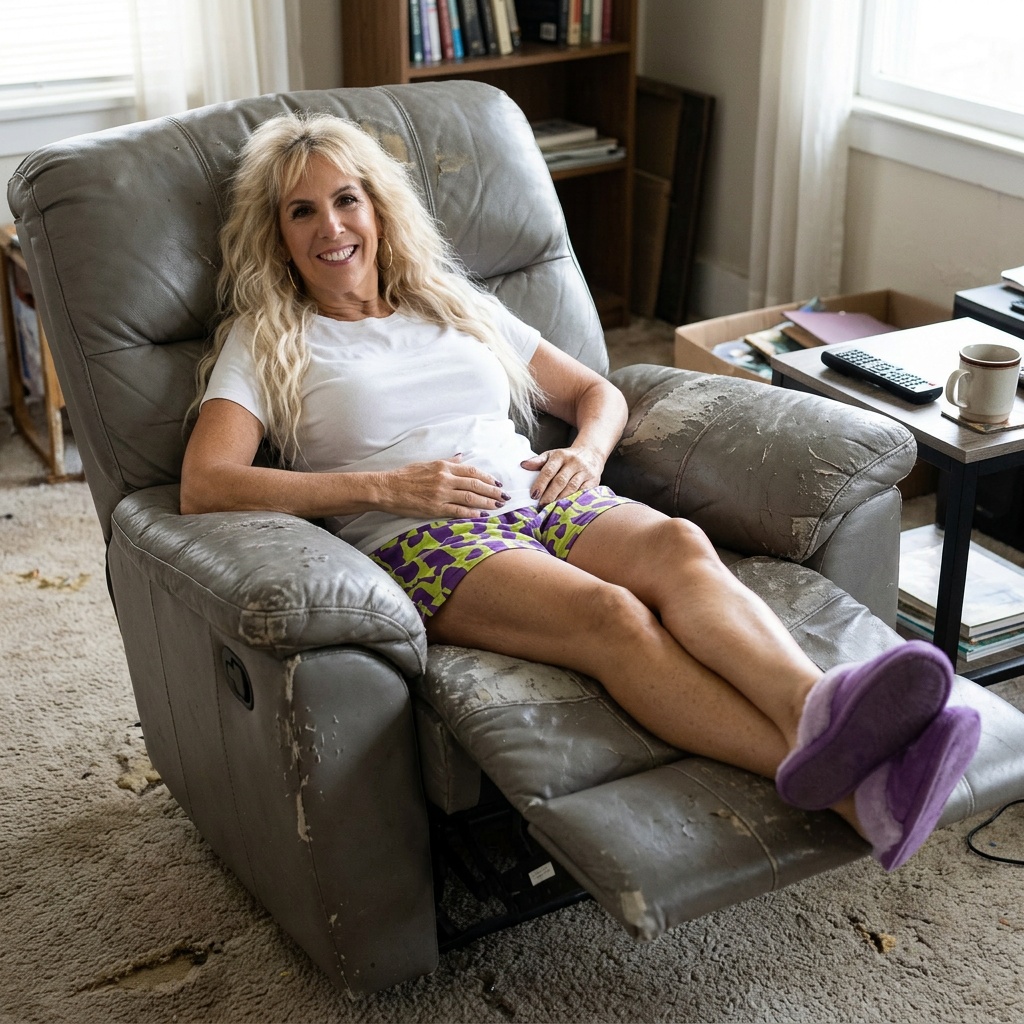
I’ve met people half my age who are already “fully reclined.”
The chair doesn’t have to be a La-Z-Boy.